

Why Motorhome Camping Is Ideal for a Flexible Family Holiday
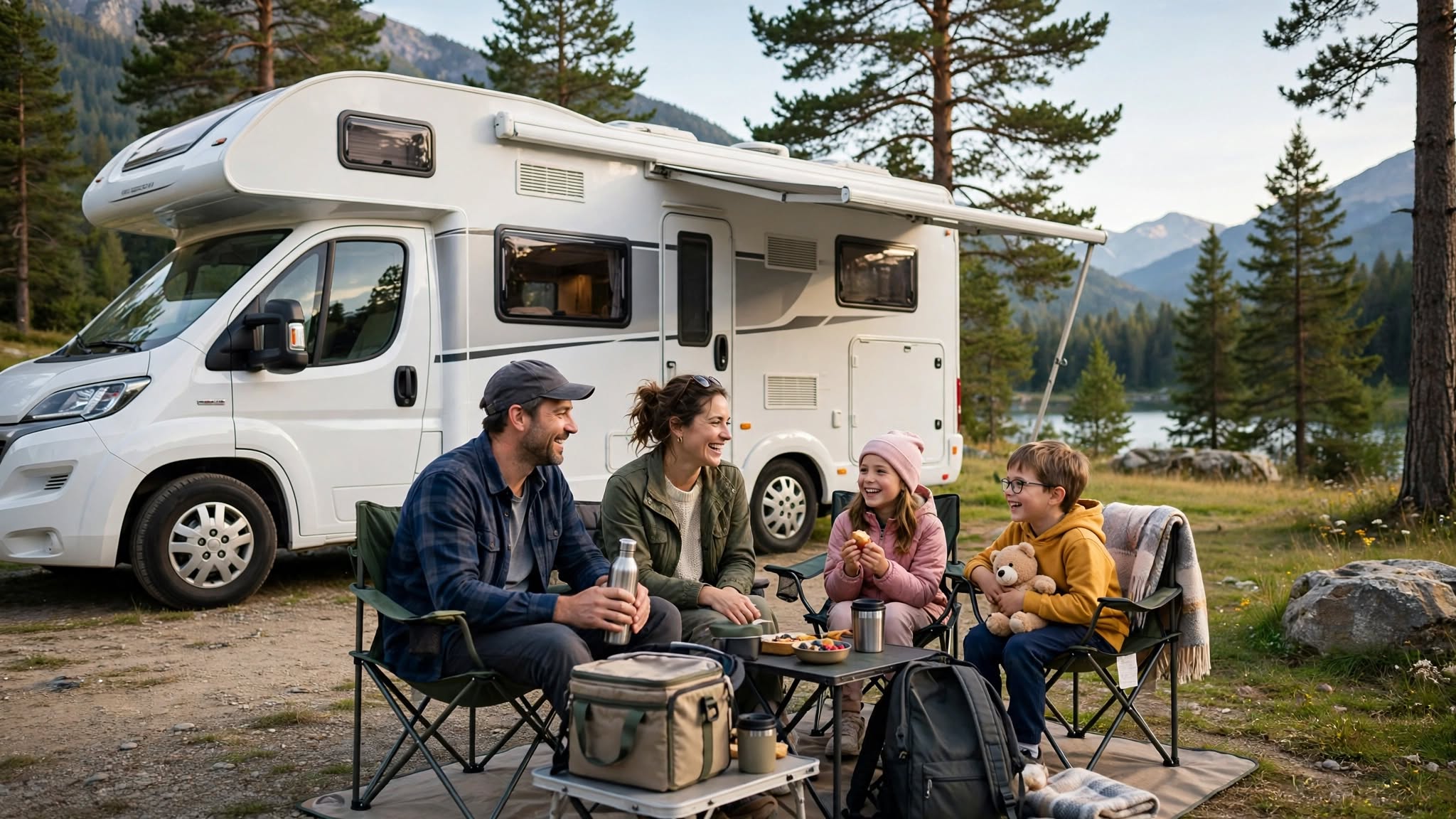
Family holidays often involve balancing different needs. Parents may want a manageable travel schedule, children need space for meals and rest, and everyone benefits from having some freedom to change plans. Motorhome camping brings many of these needs together by combining transport, accommodation, cooking facilities, and storage in one vehicle.
Instead of building an entire trip around hotel check-in times and fixed bookings, families can create a route that leaves room for changes. A motorhome holiday still requires preparation, especially when campsites are busy, but it can make everyday travel decisions much easier to manage.
Travel at a Pace That Works for the Family
One of the main advantages of motorhome camping is control over the daily schedule. Families can decide how far they want to travel, when to stop, and how long to remain in one area.
This can be particularly useful when travelling with younger children. A long driving day may look reasonable when planning at home but feel very different once the journey begins. With a motorhome, families can build shorter travel stages into the itinerary and spend more time exploring rather than constantly moving between accommodation.
The same flexibility works in the opposite direction. If a particular area does not suit the family, the next part of the trip can sometimes be adjusted without reorganising every detail of the holiday.
Accommodation Travels With You
Traditional road trips usually involve unpacking at one hotel, packing the following morning again, and repeating the process at each destination. Motorhome travel reduces much of this routine because the family’s living space moves with them.
Clothes, food, outdoor equipment, children’s belongings, and everyday essentials can stay organised in the vehicle. This can make multi-stop family holidays feel less fragmented.
There is also a practical comfort in having familiar surroundings throughout the journey. Children can keep their usual travel items nearby, while parents do not need to search through several bags every time someone needs a jacket, snack, book, or change of clothes.
Meals Become Easier to Manage
Food is an important part of any family holiday, and eating out for every meal may not always be convenient. Most motorhomes provide some form of cooking and food-storage facilities, although the exact equipment varies by vehicle.
Having a kitchen area allows families to prepare simple breakfasts, packed lunches, snacks, or evening meals according to their own schedule. It can also help when children have particular food preferences or when suitable restaurants are not close to the campsite.
Cooking does not need to become a major holiday task. Easy meals such as pasta, sandwiches, soups, salads, or one-pan dishes can keep preparation and washing up manageable.
It Supports More Spontaneous Holiday Plans
Motorhome camping gives families more freedom to respond to what happens during the trip. A change in weather might make a different destination more appealing. A campsite near a lake, walking trail, beach, or family attraction may turn out to deserve an extra night.
Good preparation still matters. Before leaving, it is useful to think through the route, essential supplies, driving distances, and likely overnight stops. The planning ideas covered in How to Plan a Weekend Camping Getaway from Start to Finish can also be applied to a longer motorhome holiday, especially when organising equipment and creating a realistic travel schedule.
Flexibility works best when the basic arrangements are already under control.
Motorhomes Can Make Outdoor Time More Accessible
Camping allows families to spend more time outdoors, but sleeping in a tent is not comfortable or practical for everyone. A motorhome offers another way to stay close to outdoor environments while retaining beds, shelter, storage, and basic household facilities.
Outdoor Days With an Indoor Base
A family might spend the morning walking, cycling, visiting a beach, or exploring a nearby town before returning to the motorhome for lunch or a rest. If the weather changes, there is an enclosed space available without necessarily ending the day’s plans.
This balance can make camping more approachable for families who enjoy nature but also value everyday comfort.
Shared Space Encourages Better Organisation
A motorhome provides useful facilities, but space is limited. Families usually need to think carefully about what they bring and where everything will be stored.
Packing versatile clothing, limiting bulky items, and giving frequently used belongings a fixed storage place can prevent the interior from becoming cluttered. It also helps to establish simple routines for setting up and leaving a campsite.
Children can take part by keeping their own small storage area organised or helping with appropriate campsite tasks. Small habits make a noticeable difference when several people are sharing the same compact living space.
Flexibility Still Requires Sensible Planning
Motorhome camping is not completely spontaneous. Campsites may require reservations, particularly during popular travel periods. Families also need to consider vehicle size, parking restrictions, water supplies, waste disposal, electricity, fuel, and campsite rules.
Driving a larger vehicle can take some adjustment as well. Narrow roads, low-clearance areas, tight parking spaces, and longer stopping distances should be considered when choosing a route.
It is also important to check what facilities a motorhome actually includes rather than assuming every vehicle offers the same equipment. Understanding the sleeping layout, seat arrangements, kitchen setup, storage capacity, and campsite requirements before departure can prevent avoidable problems.
A Holiday That Can Adapt as You Travel
Motorhome camping suits family holidays because it combines mobility with a consistent place to sleep, eat, store belongings, and relax. Families can explore several locations without repeatedly changing accommodation, while still having the option to slow down when a destination deserves more time.
The most enjoyable trips usually balance freedom with preparation. A practical route, sensible packing, suitable campsites, and realistic driving days create the structure. The motorhome then provides the flexibility to adjust the experience around the family’s needs as the holiday unfolds.